
Ankle Gout and Its Impact on Daily Movement

Gout in the ankle is a joint condition that develops when uric acid crystals accumulate and cause inflammation. Although it is less commonly discussed than gout in the big toe, ankle involvement can be just as painful and limiting. The condition may take time to develop, but often presents as a sudden and intense flare-up. This type of arthritis can affect mobility and make routine activities more challenging if not addressed early.

Common symptoms of ankle gout include swelling, tenderness, and stiffness surrounding the joint. The ankle may feel warm and appear red, with discomfort that worsens during movement or weight bearing. Limited range of motion can make it difficult to walk or complete everyday tasks. Some individuals report sudden pain that begins at night and intensifies quickly. These symptoms can interfere with sleep and overall quality of life.


The causes of gout in the ankle are linked to elevated uric acid levels in the body. Consuming high purine foods, drinking excess alcohol, and having reduced kidney function can contribute to this buildup. Gout is more frequently seen in men, while women may develop it after menopause due to hormonal changes. Other risk factors include obesity, metabolic conditions, and a family history of gout. These can increase the likelihood of crystal formation and joint inflammation.


Diagnosis often involves clinical evaluation along with imaging scans to rule out fractures or other joint disorders. Managing ankle gout includes controlling uric acid levels and reducing inflammation through lifestyle adjustments and medical treatment. A podiatrist can provide guidance on symptom management and long-term prevention. If you have signs of gout in the ankle, it is strongly suggested that you are under the care of a podiatrist who can help you to manage this painful condition. 

Gout is a painful condition that can be treated. If you are seeking treatment, contact Larry Slomowitz, DPM from California. Our doctor will treat your foot and ankle needs.

What Is Gout?

Gout is a form of arthritis that is characterized by sudden, severe attacks of pain, redness, and tenderness in the joints. The condition usually affects the joint at the base of the big toe. A gout attack can occur at any random time, such as the middle of the night while you are asleep.

Symptoms

  • Intense Joint Pain - Usually around the large joint of your big toe, and it most severe within the first four to twelve hours
  • Lingering Discomfort - Joint discomfort may last from a few days to a few weeks
  • Inflammation and Redness -Affected joints may become swollen, tender, warm and red
  • Limited Range of Motion - May experience a decrease in joint mobility

Risk Factors

  • Genetics - If family members have gout, you’re more likely to have it
  • Medications - Diuretic medications can raise uric acid levels
  • Gender/Age - Gout is more common in men until the age of 60. It is believed that estrogen protects women until that point
  • Diet - Eating red meat and shellfish increases your risk
  • Alcohol - Having more than two alcoholic drinks per day increases your risk
  • Obesity - Obese people are at a higher risk for gout

Prior to visiting your podiatrist to receive treatment for gout, there are a few things you should do beforehand. If you have gout you should write down your symptoms--including when they started and how often you experience them, important medical information you may have, and any questions you may have. Writing down these three things will help your podiatrist in assessing your specific situation so that he or she may provide the best route of treatment for you.

If you have any questions, please feel free to contact our office located in Westlake Village, CA . We offer the newest diagnostic and treatment technologies for all your foot care needs.

Read more about Gout

Reminder: When Was the Last Time...?

Custom orthotics, or shoe inserts, should be periodically replaced. Orthotics must fit properly to give you the best results. Protect your feet and ankles!

Sprained Toe Injuries Can Make Every Step Painful

A sprained toe occurs when a ligament is stretched or torn. Ligaments are strong bands of tissue that connect bones at a joint. This injury can affect any toe joint, including where the toe meets the foot. Pain, swelling, and bruising can begin soon after the injury. Patients can also have tenderness or trouble moving the toe. A severe sprain can make the joint feel unstable. In some cases a toe sprain may be mistaken for a fracture, because they have similar symptoms. Identifying the injury is important because they require different treatments.

A toe sprain is usually caused when the toe bends beyond its normal range. Stubbing the toe against furniture is one possible cause. The injury can also occur when the toe catches on the ground while the foot continues moving. Athletes face added risk because running, jumping, and quick changes in direction place extra force on the toes. A big-toe sprain caused by forceful upward bending is called turf toe. The severity depends on whether the ligament has mild damage, a partial tear, or a complete tear. A serious sprain can cause greater joint instability and require a longer recovery.

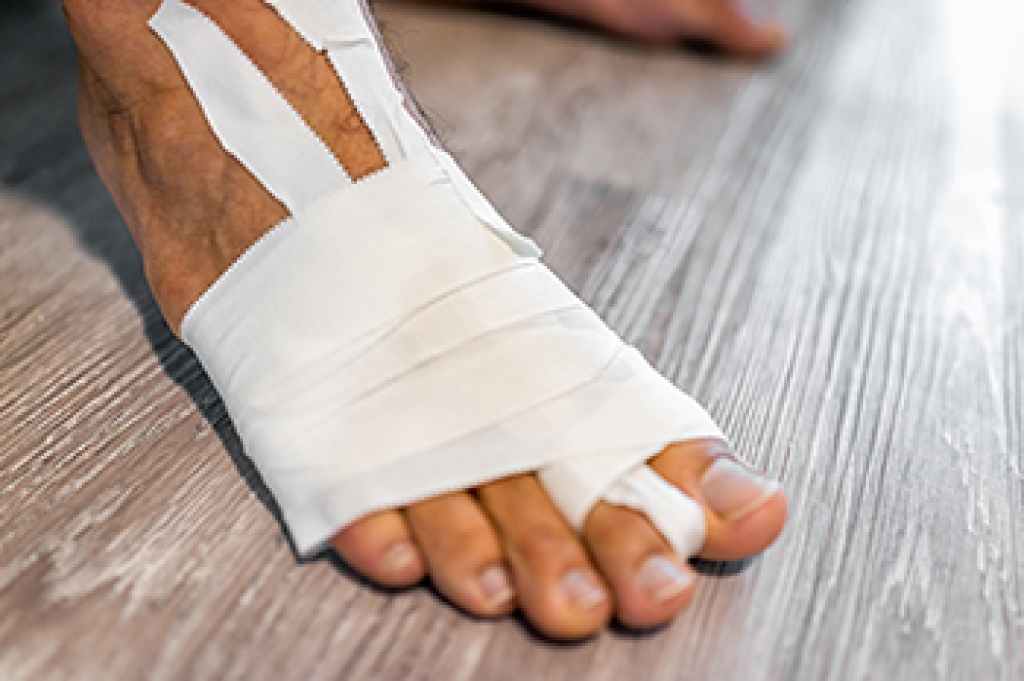
A podiatrist can examine the toe, check its movement, and test the joint’s stability. The examination also helps locate the damaged ligament. X-rays can rule out a fracture or other bone injury. Treatment depends on the location and severity of the sprain. A podiatrist can stabilize the toe with medical taping, a rigid-soled shoe, or a walking boot. They can also recommend changes to sports and work activities while the ligament heals. Many sprained toes heal in about three to six weeks, but severe injuries may take longer. Follow-up visits allow the podiatrist to check healing and help prevent lasting stiffness or joint problems. If you have sprained your toe, it is suggested that you schedule an appointment with a podiatrist for a diagnosis and appropriate treatment.

Toe pain can disrupt your daily activities. If you have any concerns, contact Larry Slomowitz, DPM of California. Our doctor can provide the care you need to keep you pain-free and on your feet.

What Causes Toe Pain?

Most severe toe pain is caused due to a sports injury, trauma from dropping something heavy on the toe, or bumping into something rigid. Other problems can develop over time for various reasons.

Toe pain can be caused by one or more ailments. The most common include:

  • Trauma
  • Sports injury
  • Wearing shoes that are too tight
  • Arthritis
  • Gout
  • Corns and calluses
  • Hammertoe
  • Bunions
  • Blisters
  • Ingrown toenails
  • Sprains
  • Fractures (broken bones)
  • Dislocations

When to See a Podiatrist

  • Severe pain
  • Persistent pain that lasts more than a week
  • Signs of infection
  • Continued swelling
  • Pain that prevents walking

Diagnosis

In many cases the cause of toe pain is obvious, but in others, a podiatrist may want to use more advanced methods to determine the problem. These can range from simple visual inspections and sensation tests to X-rays and MRI scans. Prior medical history, family medical history, and any recent physical traumatic events will all be taken into consideration for a proper diagnosis.

Treatment

Treatments for toe pain and injuries vary and may include shoe inserts, padding, taping, medicines, injections, and in some cases, surgery. If you believe that you have broken a toe, please see a podiatrist as soon as possible.

If you have any questions please contact our office located in Westlake Village, CA . We offer the newest diagnostic and treatment technologies for all your foot and ankle needs.

Read more about Toe Pain

Custom Orthotics Offer Support and Stability for Foot Drop

Foot drop makes it difficult to lift the front of the foot and toes while walking. As a result, the toes can drag or catch on the ground. Foot drop can result from nerve injury, muscle weakness, or conditions involving the brain or spinal cord. Because it increases the chance of tripping and falling, an evaluation is important. A podiatrist can examine foot movement, ankle strength, and walking patterns. The examination can help identify pressure areas caused by changes in the way the foot meets the ground.

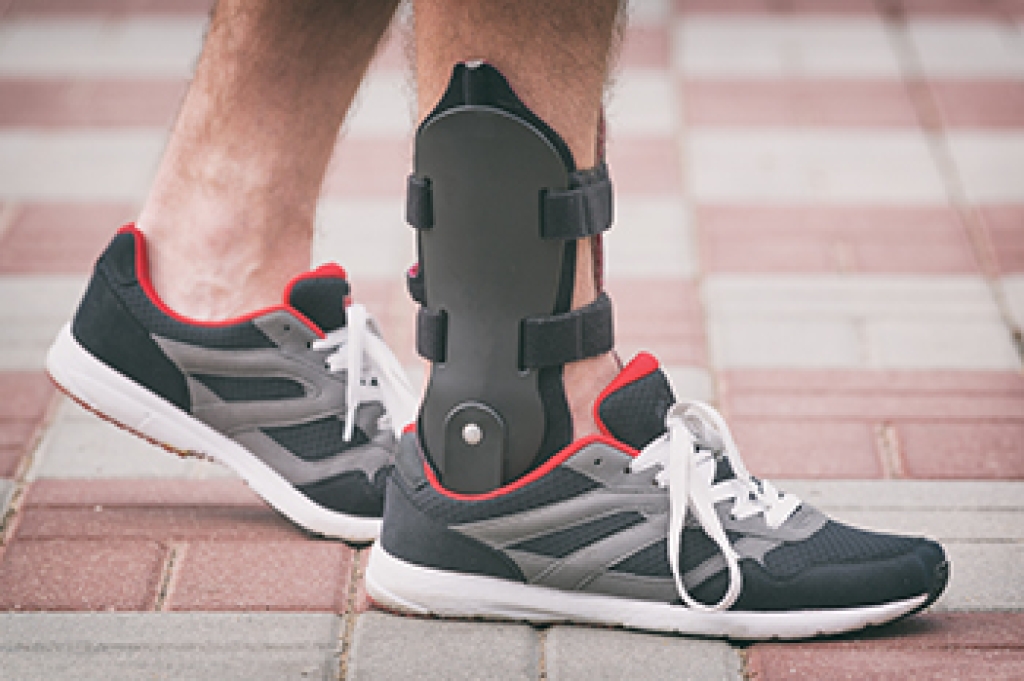
Orthotic devices can support the foot and improve safety while walking. An ankle-foot orthosis, also called an AFO, is a brace that fits around the lower leg, ankle, and foot. It holds the foot in a more stable position and helps keep the toes from dragging. Some AFOs are firm, while others allow limited ankle movement. A podiatrist can determine which design suits the patient’s strength, balance, and daily activities. A custom shoe insert can also improve alignment or reduce pressure inside the shoe. The device must fit correctly because excess pressure can cause rubbing, redness, or skin damage.

A podiatrist can measure the foot and ankle, prescribe an appropriate orthotic device, and check how it works with the patient’s shoes. During follow-up visits the podiatrist can inspect the skin and make adjustments that improve comfort. The podiatrist can also recommend shoes with enough depth and secure fastenings to hold the brace properly. Persistent redness, pain, or numbness linked to the device should be reported. Treatment depends on the cause and severity of foot drop, so an orthotic device is only one part of a broader care plan. In some cases, a podiatrist works with other medical specialists to address the underlying condition and reduce the risk of further problems. If you have foot drop, it is suggested that you schedule an appointment with a podiatrist to explore the use of an orthotic device.


If you are having discomfort in your feet and would like to try orthotics, contact Larry Slomowitz, DPM from California. Our doctor can provide the care you need to keep you pain-free and on your feet.

What Are Orthotics?

Orthotics are inserts you can place into your shoes to help with a variety of foot problems such as flat feet or foot pain. Orthotics provide relief and comfort for minor foot and heel pain but can’t correct serious biomechanical problems in your feet.

Over-the-Counter Inserts

Orthotics come in a wide variety of over-the-counter inserts that are used to treat foot pain, heel pain, and minor problems. For example, arch supports can be inserted into your shoes to help correct overarched or flat feet, while gel insoles are often used because they provide comfort and relief from foot and heel pain by alleviating pressure.

Prescription Orthotics

If over-the-counter inserts don’t work for you or if you have a more severe foot concern, it is possible to have your podiatrist prescribe custom orthotics. These high-quality inserts are designed to treat problems such as abnormal motion, plantar fasciitis, and severe forms of heel pain. They can even be used to help patients suffering from diabetes by treating foot ulcers and painful calluses and are usually molded to your feet individually, which allows them to provide full support and comfort.

If you are experiencing minor to severe foot or heel pain, it’s recommended to speak with your podiatrist about the possibilities of using orthotics. A podiatrist can determine which type of orthotic is right for you and allow you to take the first steps towards being pain-free.

If you have any questions, please feel free to contact our office located in Westlake Village, CA . We offer the newest diagnostic and treatment technologies for all your foot care needs.
Read more about Foot Orthotics

How a Podiatrist Can Help Manage Arthritis in the Feet

Arthritis can affect the feet by causing pain, stiffness, and reduced mobility in the joints. Because each foot contains many joints that support standing and walking, arthritis can make everyday movement more difficult. The condition may affect the toes, the middle of the foot, or the ankle, depending on the type of arthritis involved. Common symptoms include aching, swelling, and tenderness. Some people also notice joint stiffness, especially after periods of rest. As arthritis progresses, it may become harder to walk comfortably or participate in normal daily activities. Since several forms of arthritis can affect the feet, a professional evaluation is important to determine the underlying cause and recommend the most appropriate treatment.


Arthritis may gradually change the structure and function of the foot over time. Inflammation within the joints can reduce flexibility and make movement uncomfortable. As the joints become less stable, changes in the way a person walks may place added stress on other areas of the foot. This may also affect the ankles, knees, and hips. A thorough examination helps identify which joints are involved and how arthritis is affecting foot function. Understanding the source of symptoms allows a podiatrist to develop a treatment plan that supports better mobility and long-term foot health.


A podiatrist plays an important role in managing arthritic foot pain by evaluating joint function and identifying changes that may be contributing to discomfort. Treatment is tailored to each patient's condition and may focus on improving mobility, reducing joint stress, and preserving foot function. Early podiatry care can also help address changes before they become more severe or interfere with daily activities. Regular monitoring allows treatment to be adjusted as symptoms change over time. If arthritis pain or stiffness is affecting your feet or limiting your mobility, it is suggested that you consult a podiatrist for an evaluation and appropriate treatment options.

Arthritis can be a difficult condition to live with. If you are seeking treatment, contact Larry Slomowitz, DPM from California. Our doctor can provide the care you need to keep you pain-free and on your feet.

Arthritic Foot Care  

Arthritis is a joint disorder that involves the inflammation of different joints in your body, such as those in your feet. Arthritis is often caused by a degenerative joint disease and causes mild to severe pain in all affected areas. In addition to this, swelling and stiffness in the affected joints can also be a common symptom of arthritis.

In many cases, wearing ill-fitting shoes can worsen the effects and pain of arthritis. Wearing shoes that have a lower heel and extra room can help your feet feel more comfortable. In cases of rheumatoid arthritis, the arch in your foot may become problematic. Buying shoes with proper arch support that contour to your feet can help immensely.

Alleviating Arthritic Pain

  • Exercises that stretch the foot can prevent further pain and injury and increase mobility
  • Most of the pain can be alleviated with anti-inflammatory drugs, heat, and topical medications
  • Massages can help temporarily alleviate pain.

It is best to see your doctor for the treatment that is right for your needs and symptoms. Conditions vary, and a podiatrist can help you determine the right method of care for your feet.

If you have any questions please feel free to contact our office located in Westlake Village, CA . We offer the newest diagnostic tools and technology to treat your foot and ankle needs.

Read more about Arthritic Foot Care

Connect With Us

scroll to top