Why Do I Keep Getting Blisters on My Feet?

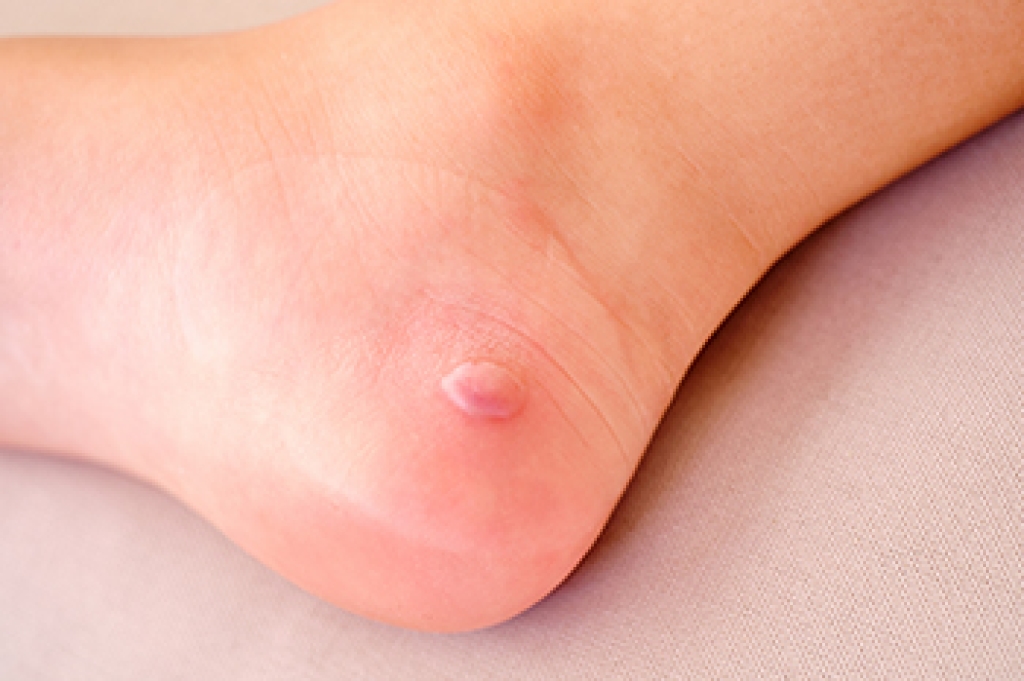
Foot blisters are fluid-filled pockets that form under the skin and can make every step uncomfortable. Friction is a frequent cause, especially when shoes are too tight or rub the same area repeatedly. The clear liquid inside most blisters is called serum, which comes from nearby tissues after the skin is injured. Blood blisters contain blood instead. Friction blisters are usually painful and can interfere with walking, exercise, or work. Although many blisters result from burns, allergies and infections can also cause blistering on the skin.

The appearance and symptoms of a blister can offer clues about its cause. Most blisters are round or oval and contain fluid beneath the skin. Some are painful, while others can itch or cause little discomfort. Blisters linked to infection can look different and may occur with other symptoms. Increasing redness, swelling, or worsening pain around a blister can signal infection. Oozing blood or pus is another warning sign. Blisters with an unknown cause or those that are very painful deserve professional evaluation, especially when they keep returning.

A podiatrist can examine foot blisters to determine what is causing them and whether infection is present. The evaluation can also identify pressure points and areas where shoes are rubbing the skin. For a large or painful blister, a podiatrist can drain it safely and protect the area from infection. A podiatrist can also recommend shoe changes or padding to reduce repeated friction and pressure. Patients with recurring blisters can benefit from an evaluation of foot structure and how their shoes fit. Addressing the source of repeated rubbing can help protect vulnerable areas of skin. If you have symptoms of blisters, it is suggested that you schedule an appointment with a podiatrist for diagnosis and treatment.

Blisters are prone to making everyday activities extremely uncomfortable. If your feet are hurting, contact Larry Slomowitz, DPM of California. Our doctor can provide the care you need to keep you pain-free and on your feet.

Foot Blisters

Foot blisters develop as a result of constantly wearing tight or ill-fitting footwear. This happens due to the constant rubbing from the shoe, which can often lead to pain.

What Are Foot Blisters?

A foot blister is a small fluid-filled pocket that forms on the upper-most layer of the skin. Blisters are filled with clear fluid and can lead to blood drainage or pus if the area becomes infected.

How Do Blisters Form?

Blisters on the feet are often the result of constant friction of skin and material, usually by shoe rubbing. Walking in sandals, boots, or shoes that don’t fit properly for long periods of time can result in a blister. Having consistent foot moisture and humidity can easily lead to blister formation.

Prevention & Treatment

It is important to properly care for the affected area in order to prevent infection and ease the pain. Do not lance the blister and use a Band-Aid to provide pain relief. Also, be sure to keep your feet dry and wear proper fitting shoes. If you see blood or pus in a blister, seek assistance from a podiatrist.

If you have any questions, please feel free to contact our office located in Westlake Village, CA . We offer the newest diagnostic and treatment technologies for all your foot care needs.
Read more about Blisters

Choosing the Best Shoes for Heel Pain

Heel pain can turn the first steps of the morning or a short walk into an uncomfortable task. Several problems can cause it. Plantar fasciitis involves irritation of the strong band of tissue that runs along the sole and supports the arch. Pain can also come from an irritated Achilles tendon or the cushioning beneath the heel. Running, prolonged standing, and a sudden increase in activity can place extra stress on this area. Foot shape can also affect how pressure reaches the heel.

Shoes play an important role in improving heel comfort, but the right design depends on the cause of the pain. Shoes wear down with use, and replacing an old pair can sometimes reduce symptoms. A firm heel counter, proper arch support, and a stable sole can control unwanted movement. Runners may benefit from cushioning. However, too much padding can allow greater movement and make certain problems worse. Shoes should hold the foot securely. They should bend near the ball of the foot rather than through the middle. People with flat feet or an unusual walking pattern need guidance because a high arch may increase pressure. A podiatrist can examine the feet and shoes to recommend a suitable design.

A podiatrist locates the painful area and checks how the foot moves. The examination can identify poor alignment, limited ankle motion, or an injury requiring imaging tests. Treatment includes shoe recommendations, custom orthotics, or supportive padding. An orthotic is a device placed inside a shoe to improve support and distribute pressure evenly. A podiatrist can also advise patients about safe activity changes and determine when care is appropriate. Prompt evaluation matters when pain is severe, follows an injury, or occurs with swelling. Lasting discomfort should be assessed before it changes the way a person walks and creates strain elsewhere. If you have heel pain after running, it is suggested that you schedule an appointment with a podiatrist for a diagnosis and appropriate treatment.

Many people suffer from bouts of heel pain. For more information, contact Larry Slomowitz, DPM of California. Our doctor can provide the care you need to keep you pain-free and on your feet.

Causes of Heel Pain

Heel pain is often associated with plantar fasciitis. The plantar fascia is a band of tissues that extends along the bottom of the foot. A rip or tear in this ligament can cause inflammation of the tissue.

Achilles tendonitis is another cause of heel pain. Inflammation of the Achilles tendon will cause pain from fractures and muscle tearing. Lack of flexibility is also another symptom.

Heel spurs are another cause of pain. When the tissues of the plantar fascia undergo a great deal of stress, it can lead to ligament separation from the heel bone, causing heel spurs.

Why Might Heel Pain Occur?

  • Wearing ill-fitting shoes                
  • Wearing non-supportive shoes
  • Weight change           
  • Excessive running

Treatments

Heel pain should be treated as soon as possible for immediate results. Keeping your feet in a stress-free environment will help. If you suffer from Achilles tendonitis or plantar fasciitis, applying ice will reduce the swelling. Stretching before an exercise like running will help the muscles. Using all these tips will help make heel pain a condition of the past.

If you have any questions, please feel free to contact our office located in Westlake Village, CA . We offer the newest diagnostic and treatment technologies for all your foot care needs.

Read more about Heel Pain

Big Toe Pain and Stiffness Explained

Big toe pain can make walking, standing, and activities uncomfortable. One possible cause is stiffness and arthritis in the joint at the base of the big toe, known as hallux rigidus. As cartilage wears down, the joint may become painful and stiff. Symptoms can include swelling, tenderness, and difficulty bending the toe. Some people develop a bump near the joint or pain when pushing off.

Arthritis is a common cause of hallux rigidus, but previous injuries, repeated stress, or abnormal foot structure may also contribute. Risk factors include increasing age, family history, and foot mechanics. Toe numbness can sometimes occur when swelling or footwear places pressure around nearby nerves. As movement becomes limited, a person may change how they walk to avoid discomfort. This altered gait can place extra stress on other parts of the foot or leg.


A podiatrist can evaluate big toe pain by reviewing symptoms and examining the toe, joint movement, and gait. X-rays may be used to assess the joint and identify arthritis or bone changes. Treatment depends on the severity of symptoms. A podiatrist may recommend supportive shoes with a roomy toe box, activity changes, or custom orthotics. Anti-inflammatory recommendations may also be considered. Severe cases may require an injection or surgery to improve joint function and reduce pain.


Early treatment can help protect comfort and mobility. Choosing shoes that do not squeeze the joint may reduce pressure and irritation. Avoiding activities that sharply increase pain can also help during evaluation. Persistent stiffness, numbness, or pain should not be ignored, especially when walking becomes difficult. If you have pain in your big toe, it is suggested that you consult a podiatrist who can accurately diagnose and treat hallux rigidus.

Toe pain can disrupt your daily activities. If you have any concerns, contact Larry Slomowitz, DPM of California. Our doctor can provide the care you need to keep you pain-free and on your feet.

What Causes Toe Pain?

Most severe toe pain is caused due to a sports injury, trauma from dropping something heavy on the toe, or bumping into something rigid. Other problems can develop over time for various reasons.

Toe pain can be caused by one or more ailments. The most common include:

  • Trauma
  • Sports injury
  • Wearing shoes that are too tight
  • Arthritis
  • Gout
  • Corns and calluses
  • Hammertoe
  • Bunions
  • Blisters
  • Ingrown toenails
  • Sprains
  • Fractures (broken bones)
  • Dislocations

When to See a Podiatrist

  • Severe pain
  • Persistent pain that lasts more than a week
  • Signs of infection
  • Continued swelling
  • Pain that prevents walking

Diagnosis

In many cases the cause of toe pain is obvious, but in others, a podiatrist may want to use more advanced methods to determine the problem. These can range from simple visual inspections and sensation tests to X-rays and MRI scans. Prior medical history, family medical history, and any recent physical traumatic events will all be taken into consideration for a proper diagnosis.

Treatment

Treatments for toe pain and injuries vary and may include shoe inserts, padding, taping, medicines, injections, and in some cases, surgery. If you believe that you have broken a toe, please see a podiatrist as soon as possible.

If you have any questions please contact our office located in Westlake Village, CA . We offer the newest diagnostic and treatment technologies for all your foot and ankle needs.

Read more about Toe Pain

Connect With Us

scroll to top