
What Is Sever’s Disease?

Sever’s disease, which can cause heel pain in active children and adolescents, is known medically as calcaneal apophysitis. It occurs when the growth plate in the heel becomes inflamed due to repeated stress during periods of rapid growth. This condition most often affects children who participate in running or jumping sports. Risk factors include tight calf muscles, increased physical activity, wearing improper footwear, and growth spurts. Symptoms commonly include heel pain, tenderness, limping, and discomfort during sports or walking. A podiatrist can evaluate foot mechanics, provide supportive care, recommend stretching and orthotic support, and guide activity modifications to reduce stress on the heel. Early care helps relieve pain and prevent worsening symptoms. If your active child has persistent heel pain, it is suggested that you consult a podiatrist to explore effective relief solutions. 

Sever's disease often occurs in children and teens. If your child is experiencing foot or ankle pain, see Larry Slomowitz, DPM from California. Our doctor can treat your child’s foot and ankle needs.

Sever’s Disease

Sever’s disease is also known as calcaneal apophysitis, which is a medical condition that causes heel pain I none or both feet. The disease is known to affect children between the ages of 8 and 14.

Sever’s disease occurs when part of the child’s heel known as the growth plate (calcaneal epiphysis) is attached to the Achilles tendon. This area can suffer injury when the muscles and tendons of the growing foot do not keep pace with bone growth. Therefore, the constant pain which one experiences at the back of the heel will make the child unable to put any weight on the heel. The child is then forced to walk on their toes.

Symptoms

Acute pain – Pain associated with Sever’s disease is usually felt in the heel when the child engages in physical activity such as walking, jumping and or running.

Highly active – Children who are very active are among the most susceptible in experiencing Sever’s disease, because of the stress and tension placed on their feet.

If you have any questions, please feel free to contact our office located in Westlake Village, CA . We offer the newest diagnostic and treatment technologies for all your foot care needs.

Read more about Sever's Disease

When Itching Between the Toes Will Not Go Away

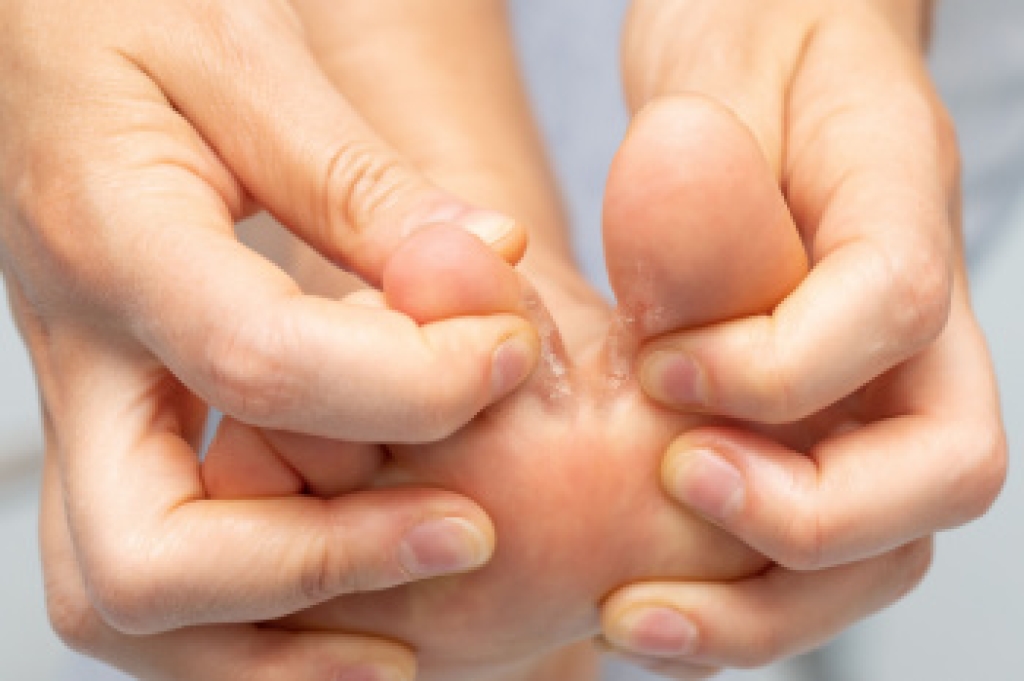
Athlete’s foot is a common fungal infection that affects the skin of the feet, especially between the toes. It thrives in warm, moist environments such as sweaty shoes and locker rooms. The skin may look red, scaly, or cracked, and some areas can appear white and soggy. Many patients describe persistent itching, burning, or stinging that worsens after removing shoes. In more advanced cases, small blisters or peeling skin may develop, and the infection can spread to the soles or even the toenails. A podiatrist begins with a careful examination of the skin and may take a small sample to confirm the diagnosis. Treatment often includes prescription antifungal medication, guidance on proper foot hygiene, and recommendations for breathable footwear. Early care helps prevent recurrence and secondary bacterial infection. If you have athlete’s foot that does not improve or continues to return, it is suggested that you make an appointment with a podiatrist for proper treatment.

Athlete’s Foot

Athlete’s foot is often an uncomfortable condition to experience. Thankfully, podiatrists specialize in treating athlete’s foot and offer the best treatment options. If you have any questions about athlete’s foot, consult with Larry Slomowitz, DPM from California. Our doctor will assess your condition and provide you with quality treatment.

What Is Athlete’s Foot?

Tinea pedis, more commonly known as athlete’s foot, is a non-serious and common fungal infection of the foot. Athlete’s foot is contagious and can be contracted by touching someone who has it or infected surfaces. The most common places contaminated by it are public showers, locker rooms, and swimming pools. Once contracted, it grows on feet that are left inside moist, dark, and warm shoes and socks.

Prevention

The most effective ways to prevent athlete’s foot include:

  • Thoroughly washing and drying feet
  • Avoid going barefoot in locker rooms and public showers
  • Using shower shoes in public showers
  • Wearing socks that allow the feet to breathe
  • Changing socks and shoes frequently if you sweat a lot

Symptoms

Athlete’s foot initially occurs as a rash between the toes. However, if left undiagnosed, it can spread to the sides and bottom of the feet, toenails, and if touched by hand, the hands themselves. Symptoms include:

  • Redness
  • Burning
  • Itching
  • Scaly and peeling skin

Diagnosis and Treatment

Diagnosis is quick and easy. Skin samples will be taken and either viewed under a microscope or sent to a lab for testing. Sometimes, a podiatrist can diagnose it based on simply looking at it. Once confirmed, treatment options include oral and topical antifungal medications.

If you have any questions, please feel free to contact our office located in Westlake Village, CA . We offer the newest diagnostic and treatment technologies for all your foot care needs.
Read more about How to Deal with Athlete's Foot

When an Ingrown Toenail Becomes Too Painful to Ignore

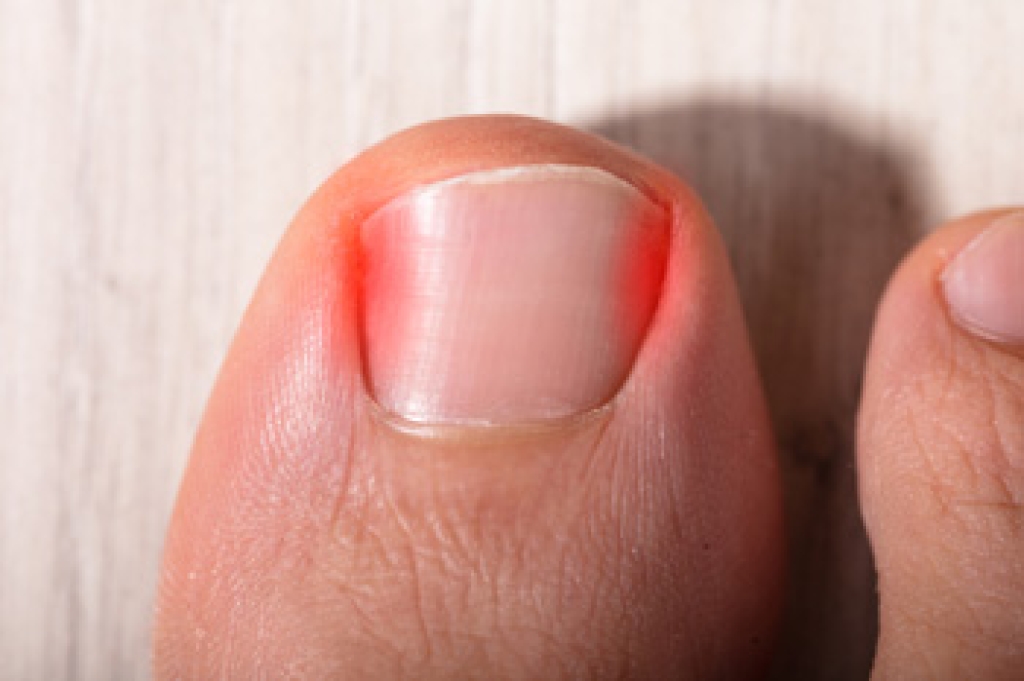
An ingrown toenail develops when the edge of the nail grows into the surrounding skin, most often affecting the big toe. It can begin with mild redness and tenderness but may quickly progress to swelling, warmth, and increasing pain along the nail border. The area may look puffy or inflamed and can become shiny or irritated. As pressure builds, walking or wearing shoes may feel sharp and uncomfortable. In more advanced cases, drainage, infection, or overgrown tissue can develop. Causes include improper nail trimming, tight footwear, injury, and naturally curved nails. While early stages may respond to conservative care such as proper trimming techniques, protective padding, and footwear changes, persistent or recurrent ingrown toenails often require a minor surgical procedure. A podiatrist can safely numb the toe, remove the offending portion of the nail, and in some cases treat the nail root to prevent recurrence. If you have a painful ingrown toenail, it is suggested that you make an appointment with a podiatrist.

Ingrown toenails can become painful if they are not treated properly. For more information about ingrown toenails, contact Larry Slomowitz, DPM of California. Our doctor can provide the care you need to keep you pain-free and on your feet.

Ingrown Toenails

Ingrown toenails occur when a toenail grows sideways into the bed of the nail, causing pain, swelling, and possibly infection.

Causes

  • Bacterial infections
  • Improper nail cutting such as cutting it too short or not straight across
  • Trauma to the toe, such as stubbing, which causes the nail to grow back irregularly
  • Ill-fitting shoes that bunch the toes too close together
  • Genetic predisposition

Prevention

Wearing proper fitting shoes and using proper cutting techniques will also help decrease your risk of developing ingrown toenails.

Treatment

Ingrown toenails are a very treatable foot condition. In minor cases, soaking the affected area in salt or antibacterial soaps will not only help with the ingrown nail itself, but also help prevent any infections from occurring. In more severe cases, surgery is an option. In either case, speaking to your podiatrist about this condition will help you get a better understanding of specific treatment options that are right for you.

If you have any questions, please feel free to contact our office located in Westlake Village, CA . We offer the newest diagnostic and treatment technologies for all your foot care needs.
Read more about Ingrown Toenails

Connect With Us

scroll to top