
If left untreated, an ingrown toenail can lead to more serious concerns, such as an infection. Knowing proper nail care can help in the prevention of an ingrown toenail. Give us a call, and get treated!
If left untreated, an ingrown toenail can lead to more serious concerns, such as an infection. Knowing proper nail care can help in the prevention of an ingrown toenail. Give us a call, and get treated!
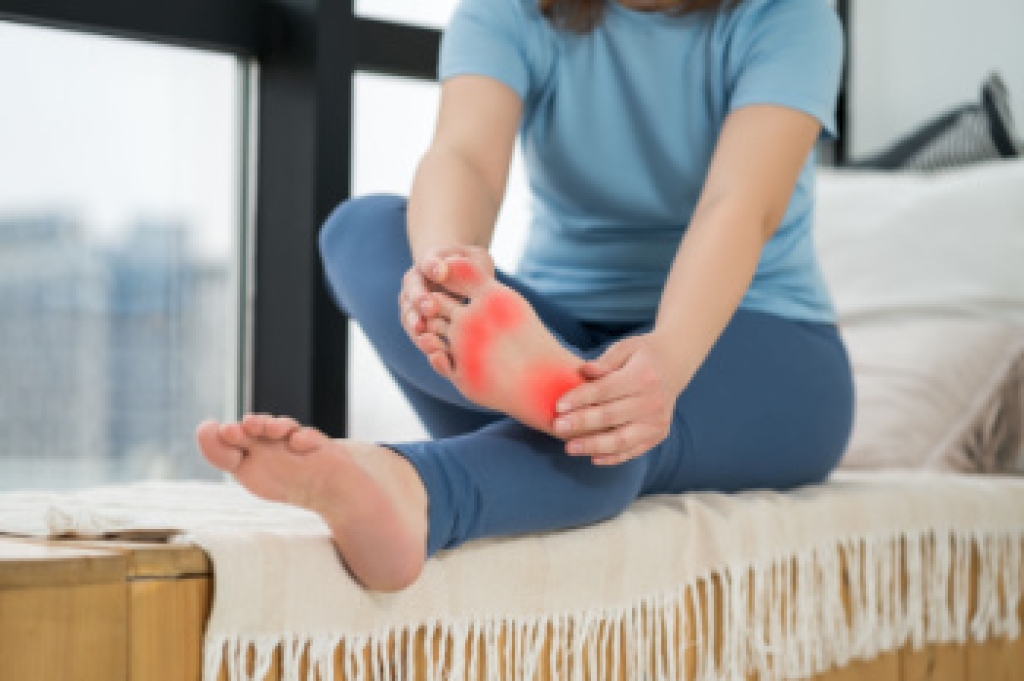
Plantar fasciitis surgery is considered when persistent heel pain fails to improve with appropriate nonsurgical care. One option, an endoscopic plantar fasciotomy, releases a portion of the tight fascia through small incisions. Benefits include less tissue trauma than open procedures, quicker return to activity, and proven success in reducing chronic heel pain. However, this surgery has risks. Some patients develop lingering discomfort, nerve irritation, arch weakness, or altered foot mechanics if excessive tissue is released. Recovery restrictions still apply, and relief is not guaranteed. A podiatrist confirms the diagnosis, reviews imaging, and rules out other causes of heel pain before recommending surgery. Proper surgical planning and follow up monitoring help limit complications and support healing. The podiatrist also explains expected outcomes and recovery timelines before scheduling procedures. If you have pain from plantar fasciitis, it is suggested that you make an appointment with a podiatrist to find out if surgery is a viable choice for you.
Plantar fasciitis can be very painful and inconvenient. If you are experiencing heel pain or symptoms of plantar fasciitis, contact Larry Slomowitz, DPM from California. Our doctor can provide the care you need to keep you pain-free and on your feet.
What Is Plantar Fasciitis?
Plantar fasciitis is the inflammation of the thick band of tissue that runs along the bottom of your foot, known as the plantar fascia, and causes mild to severe heel pain.
What Causes Plantar Fasciitis?
How Can It Be Treated?
While very treatable, plantar fasciitis is definitely not something that should be ignored. Especially in severe cases, speaking to your doctor right away is highly recommended to avoid complications and severe heel pain. Your podiatrist can work with you to provide the appropriate treatment options tailored to your condition.
If you have any questions, please feel free to contact our office located in Westlake Village, CA . We offer the newest diagnostic and treatment technologies for all your foot care needs.
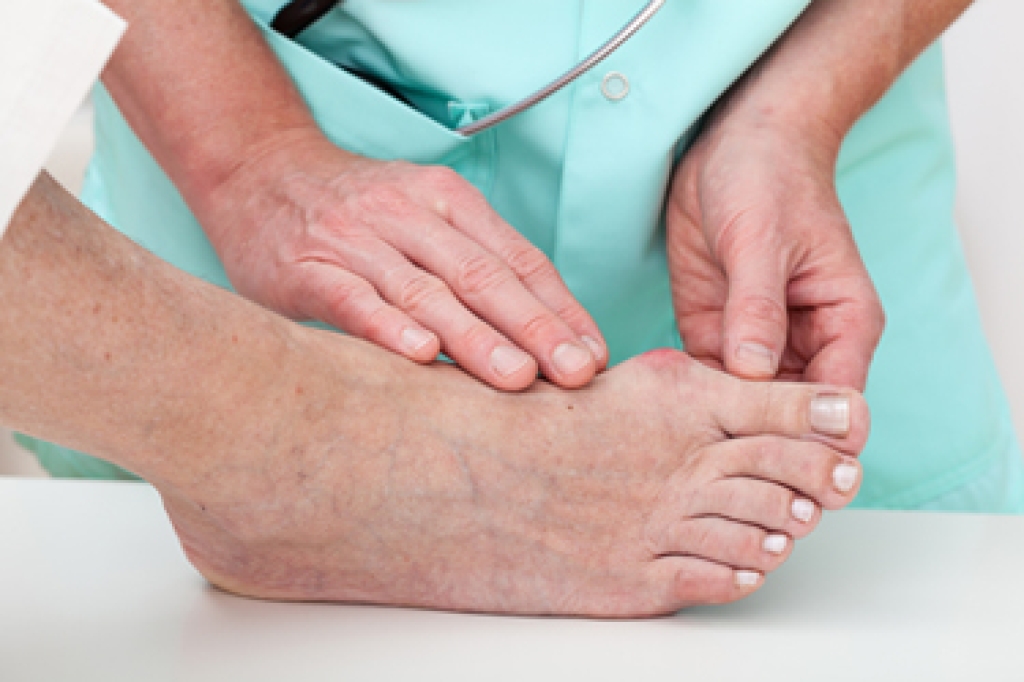
A bunion is a foot deformity that develops when the big toe shifts toward the lesser toes, creating a bony bump along the side of the foot. This alignment change increases stress on joints and soft tissue. A bunion often causes pain, swelling, stiffness, and trouble wearing shoes. It may worsen due to abnormal foot mechanics, inherited foot structure, or prolonged pressure on the forefoot. A podiatrist helps manage bunions by assessing foot alignment, gait, and deformity severity. Treatment options include shoe modifications, padding, orthotic devices, activity adjustments, and targeted therapies to reduce pressure and slow progression. In advanced cases, surgery may be needed to realign the joint and improve function. For help with managing pain caused by bunions, it is suggested that you make an appointment with a podiatrist for an exam, diagnosis, and treatment.
If you are suffering from bunion pain, contact Larry Slomowitz, DPM of California. Our doctor can provide the care you need to keep you pain-free and on your feet.
What Is a Bunion?
Bunions are painful bony bumps that usually develop on the inside of the foot at the joint of the big toe. As the deformity increases over time, it may become painful to walk and wear shoes. Women are more likely to exacerbate existing bunions since they often wear tight, narrow shoes that shift their toes together. Bunion pain can be relieved by wearing wider shoes with enough room for the toes.
Causes
Symptoms
In order to diagnose your bunion, your podiatrist may ask about your medical history, symptoms, and general health. Your doctor might also order an x-ray to take a closer look at your feet. Nonsurgical treatment options include orthotics, padding, icing, changes in footwear, and medication. If nonsurgical treatments don’t alleviate your bunion pain, surgery may be necessary.
If you have any questions, please feel free to contact our office located in Westlake Village, CA . We offer the newest diagnostic and treatment technologies for all your foot care needs.
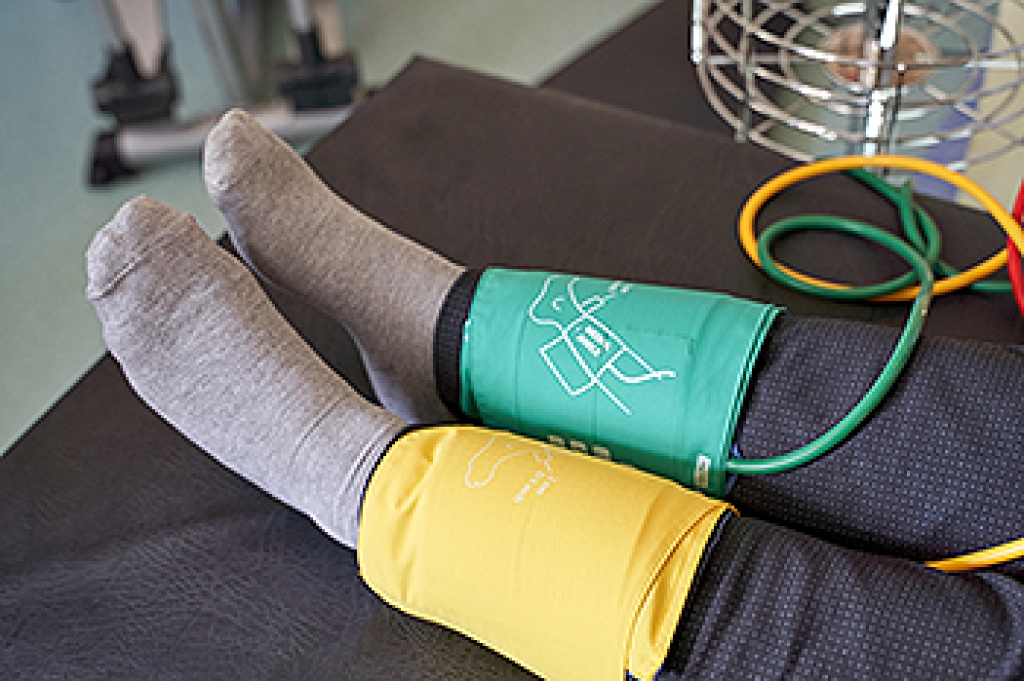
Intermittent claudication is a common symptom of peripheral artery disease, or PAD, and reflects reduced blood flow to the legs during activity. Intermittent claudication is a tight, aching, or squeezing pain in the calf, foot, thigh, or buttock. It typically begins after a certain amount of walking or climbing but eases with rest. As circulation becomes more limited, pain may start sooner, walking distance shortens, and legs can feel weak or cramp. Advanced PAD can cause pain at rest, cold or numb toes, slow healing sores, skin color changes, or shiny skin, which signals higher risk to the feet. Because several conditions can mimic intermittent claudication, a podiatrist plays an important role in evaluation, vascular screening, foot exams, and coordination of appropriate care. For help dealing with symptoms of peripheral artery disease, it is suggested that you make an appointment with a podiatrist for an exam, diagnosis, and treatment.
Peripheral artery disease can pose a serious risk to your health. It can increase the risk of stroke and heart attack. If you have symptoms of peripheral artery disease, consult with Larry Slomowitz, DPM from California. Our doctor will assess your condition and provide you with quality foot and ankle treatment.
Peripheral artery disease (PAD) is when arteries are constricted due to plaque (fatty deposits) build-up. This results in less blood flow to the legs and other extremities. The main cause of PAD is atherosclerosis, in which plaque builds up in the arteries.
Symptoms
Symptoms of PAD include:
It is important to note that a majority of individuals never show any symptoms of PAD.
Diagnosis
While PAD occurs in the legs and arteries, Podiatrists can diagnose PAD. Podiatrists utilize a test called an ankle-brachial index (ABI). An ABI test compares blood pressure in your arm to you ankle to see if any abnormality occurs. Ultrasound and imaging devices may also be used.
Treatment
Fortunately, lifestyle changes such as maintaining a healthy diet, exercising, managing cholesterol and blood sugar levels, and quitting smoking, can all treat PAD. Medications that prevent clots from occurring can be prescribed. Finally, in some cases, surgery may be recommended.
If you have any questions, please feel free to contact our office located in Westlake Village, CA . We offer the newest diagnostic and treatment technologies for all your foot care needs.
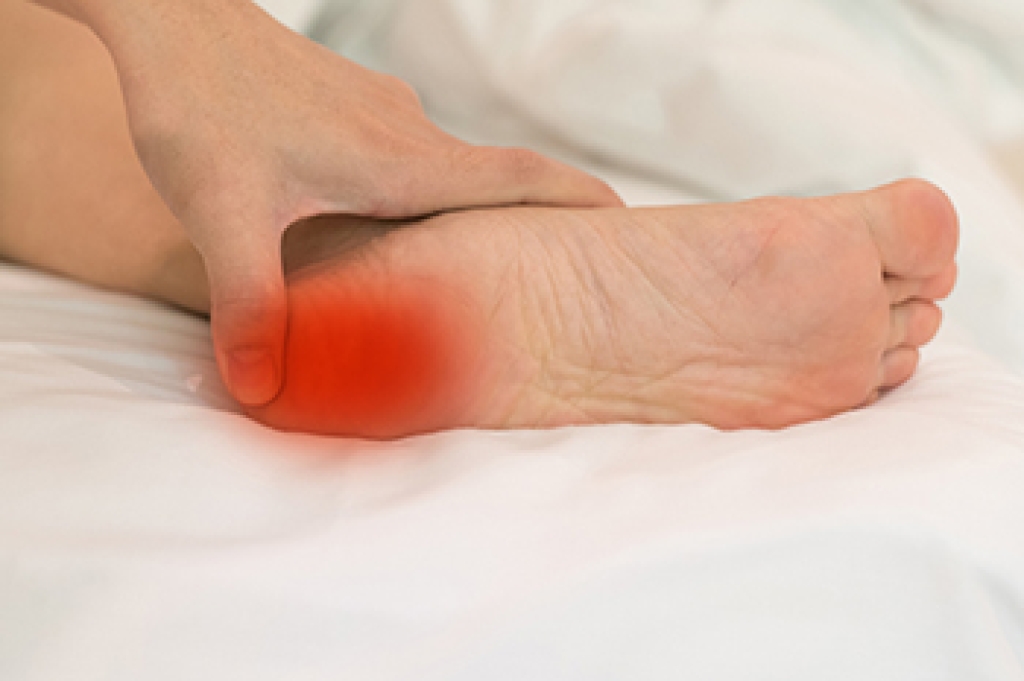
Sever’s disease is a common source of heel discomfort in active children and adolescents, especially during growth spurts. It develops when the growth plate at the back of the heel becomes irritated from repeated stress. This often occurs in kids who participate in running or jumping sports, as tight calf muscles and rapid bone growth place extra tension on the heel. It typically affects children between the ages of eight and 14. Symptoms include heel pain during or after activity, tenderness when the heel is squeezed, limping, or avoiding sports they once enjoyed. Pain often improves with rest but returns when activity resumes. Treatment focuses on reducing strain while growth continues. Rest, activity modification, stretching, supportive shoes, heel cushions, and orthotics may be recommended. The condition resolves with time as growth plates mature. If your child has ongoing heel pain, it is suggested that they be evaluated by a podiatrist to confirm the diagnosis and guide care.
Sever's disease often occurs in children and teens. If your child is experiencing foot or ankle pain, see Larry Slomowitz, DPM from California. Our doctor can treat your child’s foot and ankle needs.
Sever’s Disease
Sever’s disease is also known as calcaneal apophysitis, which is a medical condition that causes heel pain I none or both feet. The disease is known to affect children between the ages of 8 and 14.
Sever’s disease occurs when part of the child’s heel known as the growth plate (calcaneal epiphysis) is attached to the Achilles tendon. This area can suffer injury when the muscles and tendons of the growing foot do not keep pace with bone growth. Therefore, the constant pain which one experiences at the back of the heel will make the child unable to put any weight on the heel. The child is then forced to walk on their toes.
Symptoms
Acute pain – Pain associated with Sever’s disease is usually felt in the heel when the child engages in physical activity such as walking, jumping and or running.
Highly active – Children who are very active are among the most susceptible in experiencing Sever’s disease, because of the stress and tension placed on their feet.
If you have any questions, please feel free to contact our office located in Westlake Village, CA . We offer the newest diagnostic and treatment technologies for all your foot care needs.
Connect With Us
