Painful Gout and Its Causes

Gout is a form of inflammatory arthritis caused by a buildup of uric acid in the body, leading to crystal formation in the joints. This condition most commonly affects the big toe, but can also affect other parts of the feet and ankles. Gout often begins suddenly with intense pain, redness, warmth, and swelling. The joint may appear shiny and feel extremely tender, making even light pressure from bedding uncomfortable. Flare-ups can come on quickly, often at night, and may limit walking or standing. Contributing factors include diet, dehydration, certain medications, and underlying health conditions that affect how uric acid is processed. A podiatrist can recognize the signs of gout and may coordinate care to confirm the diagnosis. Treatment typically focuses on reducing inflammation and managing pain, along with long-term strategies to lower uric acid levels. Guidance may include lifestyle adjustments and preventive care to reduce future flare-ups. If you suspect you have gout, it is suggested that you make an appointment with a podiatrist.

Gout is a painful condition that can be treated. If you are seeking treatment, contact Larry Slomowitz, DPM from California. Our doctor will treat your foot and ankle needs.

What Is Gout?

Gout is a form of arthritis that is characterized by sudden, severe attacks of pain, redness, and tenderness in the joints. The condition usually affects the joint at the base of the big toe. A gout attack can occur at any random time, such as the middle of the night while you are asleep.

Symptoms

  • Intense Joint Pain - Usually around the large joint of your big toe, and it most severe within the first four to twelve hours
  • Lingering Discomfort - Joint discomfort may last from a few days to a few weeks
  • Inflammation and Redness -Affected joints may become swollen, tender, warm and red
  • Limited Range of Motion - May experience a decrease in joint mobility

Risk Factors

  • Genetics - If family members have gout, you’re more likely to have it
  • Medications - Diuretic medications can raise uric acid levels
  • Gender/Age - Gout is more common in men until the age of 60. It is believed that estrogen protects women until that point
  • Diet - Eating red meat and shellfish increases your risk
  • Alcohol - Having more than two alcoholic drinks per day increases your risk
  • Obesity - Obese people are at a higher risk for gout

Prior to visiting your podiatrist to receive treatment for gout, there are a few things you should do beforehand. If you have gout you should write down your symptoms--including when they started and how often you experience them, important medical information you may have, and any questions you may have. Writing down these three things will help your podiatrist in assessing your specific situation so that he or she may provide the best route of treatment for you.

If you have any questions, please feel free to contact our office located in Westlake Village, CA . We offer the newest diagnostic and treatment technologies for all your foot care needs.
Read more about Gout

Causes and Symptoms of Ingrown Toenails

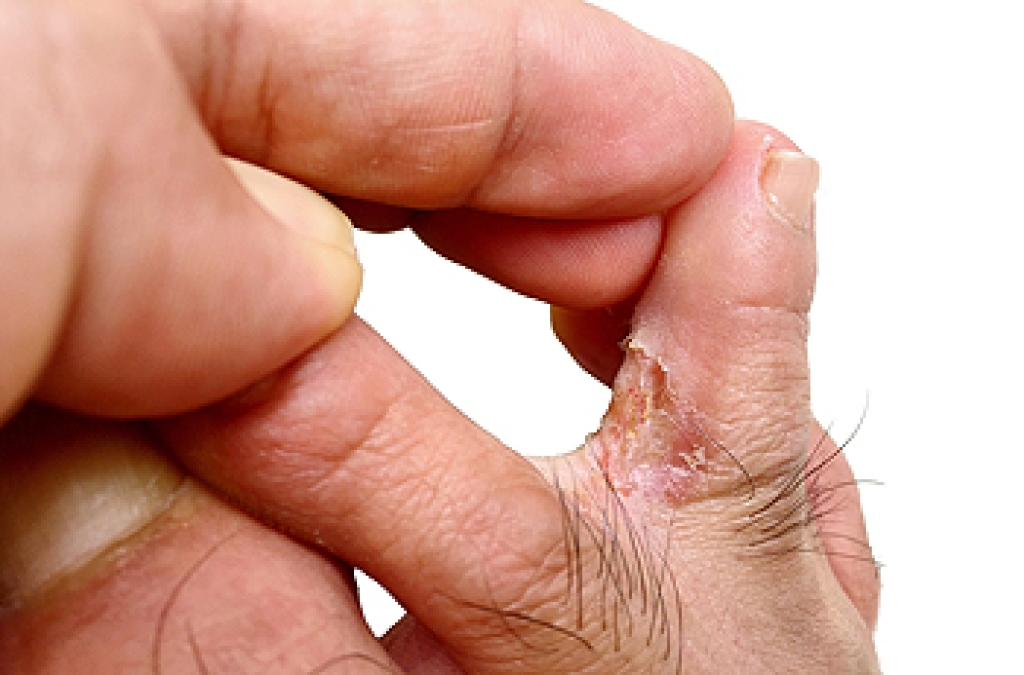
Ingrown toenails develop when the edge of a nail grows into the surrounding skin, often affecting the big toe. Common causes of ingrown toenails include tight-fitting shoes that crowd the toes, improper nail trimming, and injury to the toe. Naturally curved nails, as well as repeated pressure from walking or sports, can increase risk. Symptoms include pain along the nail edge, redness, swelling, and tenderness when pressure is applied. As the ingrown toenail worsens, the skin may become inflamed. Fluid or pus can form if bacteria enter the area. Some people notice slight bleeding or extra skin forming around the nail. A podiatrist can diagnose the severity of the condition, trim or remove the problem portion of the nail, and provide care to reduce infection and prevent recurrence. If you are experiencing pain from an ingrown toenail, it is suggested that you make an appointment with a podiatrist for a diagnosis and treatment.

Ingrown toenails may initially present themselves as a minor discomfort, but they may progress into an infection in the skin without proper treatment. For more information about ingrown toenails, contact Larry Slomowitz, DPM of California. Our doctor can provide the care you need to keep you pain-free and on your feet.

Ingrown Toenails

Ingrown toenails are caused when the corner or side of a toenail grows into the soft flesh surrounding it. They often result in redness, swelling, pain, and in some cases, infection. This condition typically affects the big toe and may recur if it is not treated properly.

Causes

  • Improper toenail trimming
  • Genetics
  • Improper shoe fitting
  • Injury from pedicures or nail picking
  • Abnormal gait
  • Poor hygiene

You are more likely to develop an ingrown toenail if you are obese, have diabetes, arthritis, or have any fungal infection in your nails. Additionally, people who have foot or toe deformities are at a higher risk of developing an ingrown toenail.

Symptoms

Some symptoms of ingrown toenails are redness, swelling, and pain. In rare cases, there may be a yellowish drainage coming from the nail.

Treatment

Ignoring an ingrown toenail can have serious complications. Infections of the nail border can progress to a deeper soft-tissue infection, which can then turn into a bone infection. You should always speak with your podiatrist if you suspect you have an ingrown toenail, especially if you have diabetes or poor circulation.

If you have any questions, please feel free to contact our office located in Westlake Village, CA . We offer the newest diagnostic and treatment technologies for all your foot care needs.

Read more about Ingrown Toenail Care

What Causes Foot Corns?

Foot corns are small areas of thickened skin that develop due to repeated pressure or friction. They commonly form on the top and sides of toes or on weight-bearing areas of the foot where shoes may rub. Corns develop as a protective response when the skin tries to shield itself from irritation. Causes include ill-fitting footwear, abnormal foot structure, and repetitive movement that increases pressure on certain areas. Symptoms may include tenderness, pain, and a hardened raised bump that can make walking uncomfortable. Risk factors include wearing tight shoes, toe deformities, and prolonged standing. A podiatrist can help by safely removing corns, addressing underlying causes, and recommending proper footwear. If you have a painful corn, it is suggested that you consult a podiatrist who can offer effective relief, treatment, and prevention solutions. 

Corns can make walking very painful and should be treated immediately. If you have questions regarding your feet and ankles, contact Larry Slomowitz, DPM of California. Our doctor will treat your foot and ankle needs.

Corns: What Are They? And How Do You Get Rid of Them?
Corns are thickened areas on the skin that can become painful. They are caused by excessive pressure and friction on the skin. Corns press into the deeper layers of the skin and are usually round in shape.

Ways to Prevent Corns
There are many ways to get rid of painful corns such as:

  • Wearing properly fitting shoes that have been measured by a professional
  • Wearing shoes that are not sharply pointed or have high heels
  • Wearing only shoes that offer support

Treating Corns

Although most corns slowly disappear when the friction or pressure stops, this isn’t always the case. Consult with your podiatrist to determine the best treatment option for your case of corns.

If you have any questions, please feel free to contact our office located in Westlake Village, CA . We offer the newest diagnostic and treatment technologies for all your foot care needs.

Read more about Understanding Corns and Calluses

Brostrom-Gould Technique for Ankle Stability

The Brostrom-Gould technique is a surgical procedure used to repair and stabilize the lateral or outer ankle ligaments after chronic instability or repeated sprains. It is commonly recommended when ligaments have become stretched or torn due to injuries such as ankle sprains, sports trauma, or improper healing. Risk factors include high-impact activities, weak ankle support, and a history of recurrent injuries. During the procedure, the damaged ligaments are tightened and reinforced to restore proper alignment and function of the ankle joint. This helps improve stability, reduce pain, and prevent future injuries. A podiatrist can evaluate ankle instability, determine if this procedure is appropriate, and guide recovery. If you have chronic ankle instability, it is suggested that you consult a podiatrist who can determine if this procedure will help you, explain the benefits, and address any concerns you may have about this form of treatment.

Foot surgery is sometimes necessary to treat a foot ailment. To learn more, contact Larry Slomowitz, DPM of California. Our doctor will assist you with all of your foot and ankle needs.

When Is Surgery Necessary?

Foot and ankle surgery is generally reserved for cases in which less invasive, conservative procedures have failed to alleviate the problem. Some of the cases in which surgery may be necessary include:

  • Removing foot deformities like bunions and bone spurs
  • Severe arthritis that has caused bone issues
  • Cosmetic reconstruction

What Types of Surgery Are There?

The type of surgery you receive will depend on the nature of the problem you have. Some of the possible surgeries include:

  • Bunionectomy for painful bunions
  • Surgical fusion for realignment of bones
  • Neuropathy decompression surgery to treat nerve damage

Benefits of Surgery

Although surgery is usually a last resort, it can provide more complete pain relief compared to non-surgical methods and may allow you to finally resume full activity.

Surgical techniques have also become increasingly sophisticated. Techniques like endoscopic surgery allow for smaller incisions and faster recovery times.

If you have any questions, please feel free to contact our office located in Westlake Village, CA . We offer the newest diagnostic and treatment technologies for all your foot care needs.

Read more about Foot and Ankle Surgery

Dealing With Foot Drop

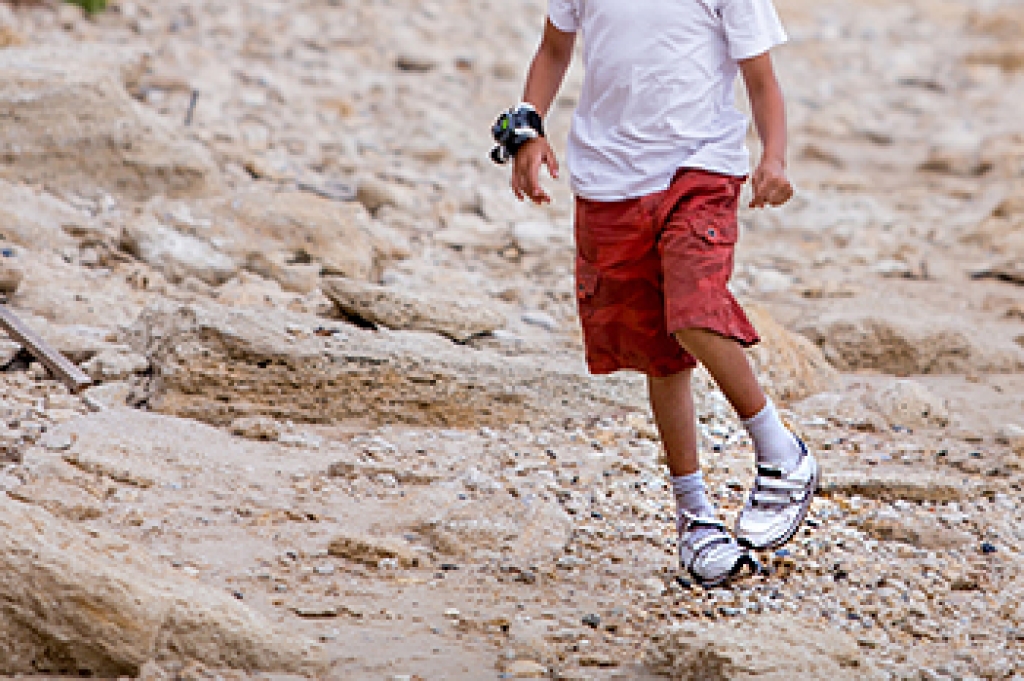
Foot drop is a condition that makes it difficult to lift the front part of the foot while walking. This motion allows the toes to clear the ground with each step. When the muscles that perform this movement become weak or the nerves that control them are damaged, people may develop an abnormal walking pattern known as a steppage gait. This occurs when the knee is lifted higher than normal to prevent the toes from dragging, similar to marching. Foot drop can result from nerve compression near the knee, injuries to the lower back, or certain muscle or neurological disorders. Without proper care, the risk of tripping and falling may increase. A podiatrist can evaluate walking patterns, perform physical and neurological exams, order imaging tests, and provide bracing, custom orthotics, or rehabilitation guidance. If you have difficulty lifting the tip of the foot while walking, it is suggested that you make an appointment with a podiatrist for an exam, diagnosis, and treatment.

If you have any concerns about your feet, contact Larry Slomowitz, DPM from California. Our doctor can provide the care you need to keep you pain-free and on your feet.

Biomechanics in Podiatry

Podiatric biomechanics is a particular sector of specialty podiatry with licensed practitioners who are trained to diagnose and treat conditions affecting the foot, ankle and lower leg. Biomechanics deals with the forces that act against the body, causing an interference with the biological structures. It focuses on the movement of the ankle, the foot and the forces that interact with them.

A History of Biomechanics

  • Biomechanics dates back to the BC era in Egypt where evidence of professional foot care has been recorded.
  • In 1974, biomechanics gained a higher profile from the studies of Merton Root, who claimed that by changing or controlling the forces between the ankle and the foot, corrections or conditions could be implemented to gain strength and coordination in the area.

Modern technological improvements are based on past theories and therapeutic processes that provide a better understanding of podiatric concepts for biomechanics. Computers can provide accurate information about the forces and patterns of the feet and lower legs.

Understanding biomechanics of the feet can help improve and eliminate pain, stopping further stress to the foot.

If you have any questions please feel free to contact our office located in Westlake Village, CA . We offer the newest diagnostic and treatment technologies for all your foot and ankle needs.

Read more about The Importance of Biomechanics in Podiatry

Connect With Us

scroll to top