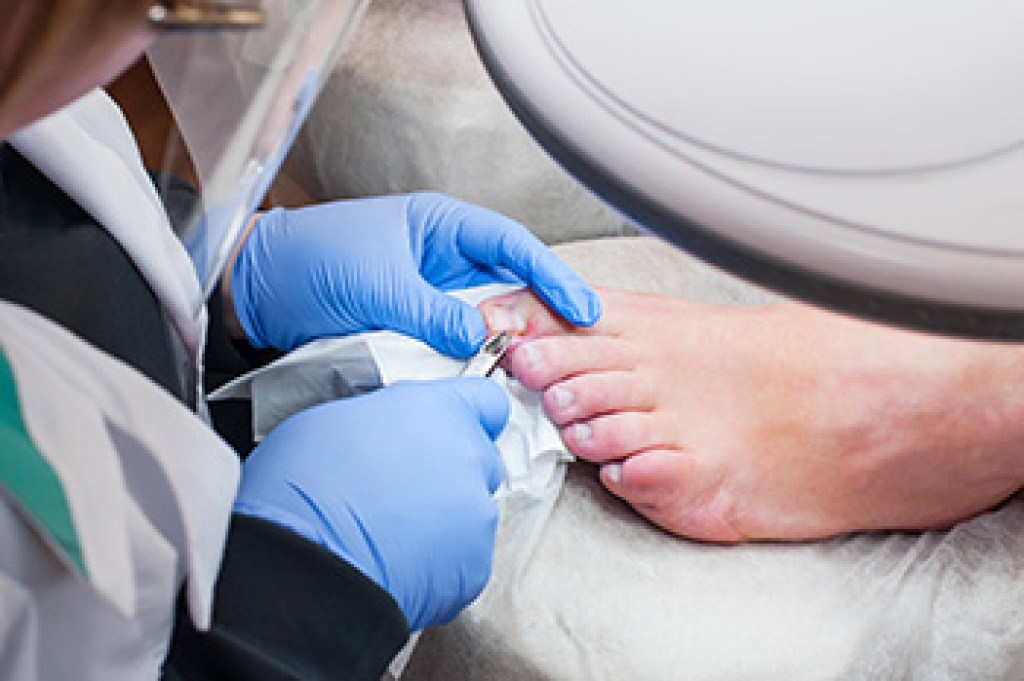
Ingrown Toenail Removal

An ingrown toenail occurs when the edge of a toenail grows into the surrounding skin rather than extending over the toe. This condition commonly affects the big toe and may cause increasing discomfort without proper care. Symptoms include redness, swelling, and tenderness around the nail. In more advanced cases, infection can develop and cause drainage. Common causes include cutting nails too short, rounding the corners, and wearing tight shoes that squeeze the toes. Naturally curved nails, repeated toe injuries, and activities that place pressure on the feet can also increase the risk. Recognizing symptoms early can help prevent complications and support healing.

Mild ingrown toenails may improve with conservative treatment when infection is absent. A podiatrist may recommend warm water soaks, roomy footwear, and measures to reduce pressure on the affected toe. However, ingrown toenail surgery may be necessary when discomfort continues, the nail repeatedly grows into the skin, or an infection develops. People with diabetes or poor circulation should seek prompt professional care because foot complications may become more serious. During an examination, the podiatrist checks the nail, surrounding tissue, and signs of infection before recommending an appropriate treatment plan. Early evaluation can help limit inflammation and protect the surrounding skin.


One common procedure is partial nail avulsion, which removes only the section of nail that presses into the skin. The podiatrist first numbs the toe with a local anesthetic, then carefully removes the affected nail edge. When ingrown toenails repeatedly return, a matrixectomy may be recommended. This procedure treats part of the nail matrix, the tissue responsible for nail growth, to help prevent the problematic section from growing back. Complete nail removal may be considered in selected cases, although it is less common. The best approach depends on the nail condition, symptom severity, and history of recurrence.


After surgery, the podiatrist applies a dressing and explains how to care for the toe during recovery. Following instructions for cleaning the area, changing dressings, and protecting the toe is essential. Roomy shoes can reduce pressure while healing occurs. Mild tenderness may be expected, but worsening redness, swelling, or drainage should be reported promptly. Follow-up appointments allow the podiatrist to monitor healing and address concerns. To lower the risk of recurrence, trim toenails straight across and avoid wearing footwear that crowds the toes. If you have persistent ingrown toenail pain or signs of infection, it is suggested that you consult a podiatrist who can determine if this type of surgery is right for you. 

Foot surgery is sometimes necessary to treat a foot ailment. To learn more, contact Larry Slomowitz, DPM of California. Our doctor will assist you with all of your foot and ankle needs.

When Is Surgery Necessary?

Foot and ankle surgery is generally reserved for cases in which less invasive, conservative procedures have failed to alleviate the problem. Some of the cases in which surgery may be necessary include:

  • Removing foot deformities like bunions and bone spurs
  • Severe arthritis that has caused bone issues
  • Cosmetic reconstruction

What Types of Surgery Are There?

The type of surgery you receive will depend on the nature of the problem you have. Some of the possible surgeries include:

  • Bunionectomy for painful bunions
  • Surgical fusion for realignment of bones
  • Neuropathy decompression surgery to treat nerve damage

Benefits of Surgery

Although surgery is usually a last resort, it can provide more complete pain relief compared to non-surgical methods and may allow you to finally resume full activity.

Surgical techniques have also become increasingly sophisticated. Techniques like endoscopic surgery allow for smaller incisions and faster recovery times.

If you have any questions, please feel free to contact our office located in Westlake Village, CA . We offer the newest diagnostic and treatment technologies for all your foot care needs.
Read more about Foot Surgery

Why Early Broken Toe Diagnosis Matters

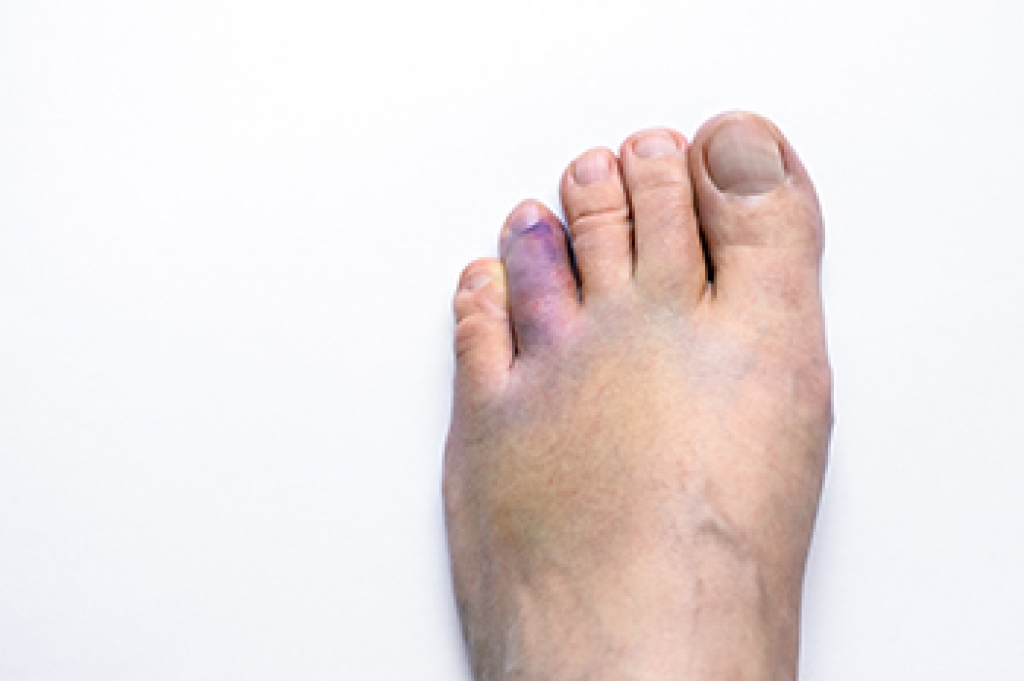
A broken toe can make simple movements painful, especially while standing or walking. The injury happens when one of the small bones in a toe cracks or breaks. A hard impact, like stubbing a toe against furniture, can cause a sudden fracture. Dropping a heavy object on the foot can also break a toe. Symptoms include sharp pain, swelling, and bruising. The toe might look crooked or become tender to the touch. Some people hear a cracking sound when the injury occurs. Pain can ease after several hours, but that does not mean the bone is unharmed. Even if you can walk, your toe could still be broken.

Not every foot fracture results from a single accident. Stress fractures are tiny cracks caused by repeated pressure on a bone. They can develop when someone increases running activity too quickly. Changes in foot structure or weakened bones can also raise the risk. Stress fractures can cause pain that returns when standing or moving. Swelling might appear without bruising. A break in one of the longer bones behind the toes can create similar discomfort. Without proper treatment, a fracture can heal in the wrong position. This can lead to lasting pain, difficulty fitting shoes, or arthritis near the injured joint. Getting an accurate diagnosis helps prevent these problems.

A podiatrist can examine the injured toe, check its position, and determine whether an X-ray is appropriate. Treatment depends on the location and severity of the break. A podiatrist can use a splint to keep the toe stable while the bone heals. For some fractures, a stiff-soled shoe or protective walking boot helps limit unwanted movement. Taping the injured toe to a neighboring toe is suitable in certain cases, but it can cause problems in others. Your podiatrist can monitor healing and explain when normal activities can safely resume. If you have broken your toe, it is suggested that you schedule an appointment with a podiatrist for effective treatment solutions.

Broken toes may cause a lot of pain and should be treated as soon as possible. If you have any concerns about your feet, contact Larry Slomowitz, DPM from California. Our doctor will treat your foot and ankle needs.

What Is a Broken Toe?

A broken toe occurs when one or more of the toe bones of the foot are broken after an injury. Injuries such as stubbing your toe or dropping a heavy object on it may cause a toe fracture.

Symptoms of a Broken Toe

  • Swelling
  • Pain (with/without wearing shoes)
  • Stiffness
  • Nail Injury

Although the injured toe should be monitored daily, it is especially important to have a podiatrist look at your toe if you have severe symptoms. Some of these symptoms include worsening or new pain that is not relieved with medication, sores, redness, or open wounds near the toe.

If you have any questions please feel free to contact our office located in Westlake Village, CA . We offer the newest diagnostic tools and technology to treat your foot and ankle needs.

Read more about What to Know About a Broken Toe

Foot Blisters and Podiatric Care

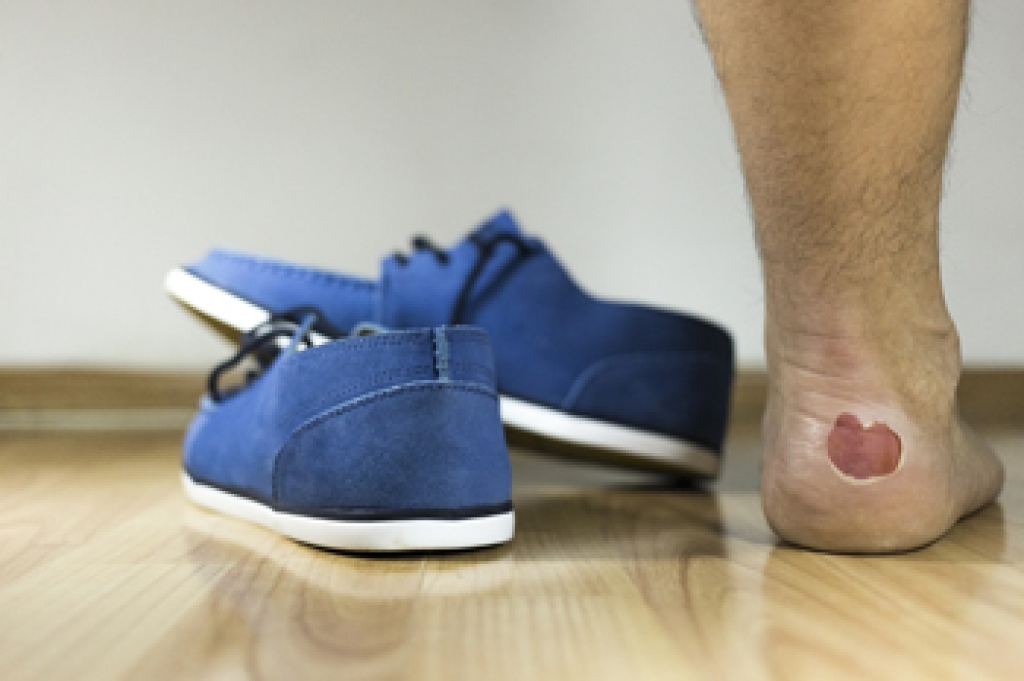
Blisters on the feet form when fluid collects beneath the top layer of skin. They can appear on the heels, toes, or soles and make each step uncomfortable. Repeated rubbing is a leading cause, especially when shoes fit poorly or press against one area. Long periods of walking can increase friction. Burns and insect bites can also produce blisters. Most contain clear fluid, although an injury that damages tiny blood vessels can create a blood blister. These raised spots protect injured skin underneath, but their appearance can make patients concerned about what caused them.

A foot blister can feel tender, itchy, or painful. The surrounding skin may look red, and pressure from shoes can increase discomfort. Some blisters develop after a single day of unusual activity. Others appear because the same part of the foot repeatedly rubs against a shoe. Blisters can also result from infections or skin conditions rather than friction. Warning signs include spreading redness, increasing warmth, and pus inside the blister. These changes can signal infection and deserve prompt attention. Patients with diabetes or poor circulation should have foot blisters evaluated because skin injuries can become more serious.

A podiatrist can examine a blister and determine whether friction, injury, or another condition caused it. The examination also helps identify signs of infection. Treatment can include protective dressings that reduce pressure and shield the damaged skin. For a large, painful blister, a podiatrist can decide whether careful drainage is appropriate. An infected blister may require prescription medication. A podiatrist can also assess shoe fit and areas of repeated pressure that contribute to new blisters. Podiatric care can ease discomfort while protecting the skin as it heals. If you have a bothersome or recurring foot blister, it is suggested that you schedule an appointment with a podiatrist for effective relief and prevention tips.

Blisters may appear as a single bubble or in a cluster. They can cause a lot of pain and may be filled with pus, blood, or watery serum. If your feet are hurting, contact Larry Slomowitz, DPM of California. Our doctor can provide the care you need to keep you pain-free and on your feet.

Foot Blisters

Foot blisters are often the result of friction. This happens due to the constant rubbing from shoes, which can lead to pain.

What Are Foot Blisters?

A foot blister is a small fluid-filled pocket that forms on the upper-most layer of the skin. Blisters are filled with clear fluid and can lead to blood drainage or pus if the area becomes infected.

Symptoms

(Blister symptoms may vary depending on what is causing them)

  • Bubble of skin filled with fluid
  • Redness
  • Moderate to severe pain
  • Itching

Prevention & Treatment

In order to prevent blisters, you should be sure to wear comfortable shoes with socks that cushion your feet and absorb sweat. Breaking a blister open may increase your chances of developing an infection. However, if your blister breaks, you should wash the area with soap and water immediately and then apply a bandage to the affected area. If your blisters cause severe pain it is important that you call your podiatrist right away.

If you have any questions, please feel free to contact our office located in Westlake Village, CA . We offer the newest diagnostic and treatment technologies for all your foot care needs.

Read more about Blisters on the Feet

Wounds That Don't Heal Need to Be Checked

Your feet are covered most of the day. If you're diabetic, periodic screening is important for good health. Numbness is often a sign of diabetic foot and can mask a sore or wound.

Podiatry Treatment for Painful Bunions

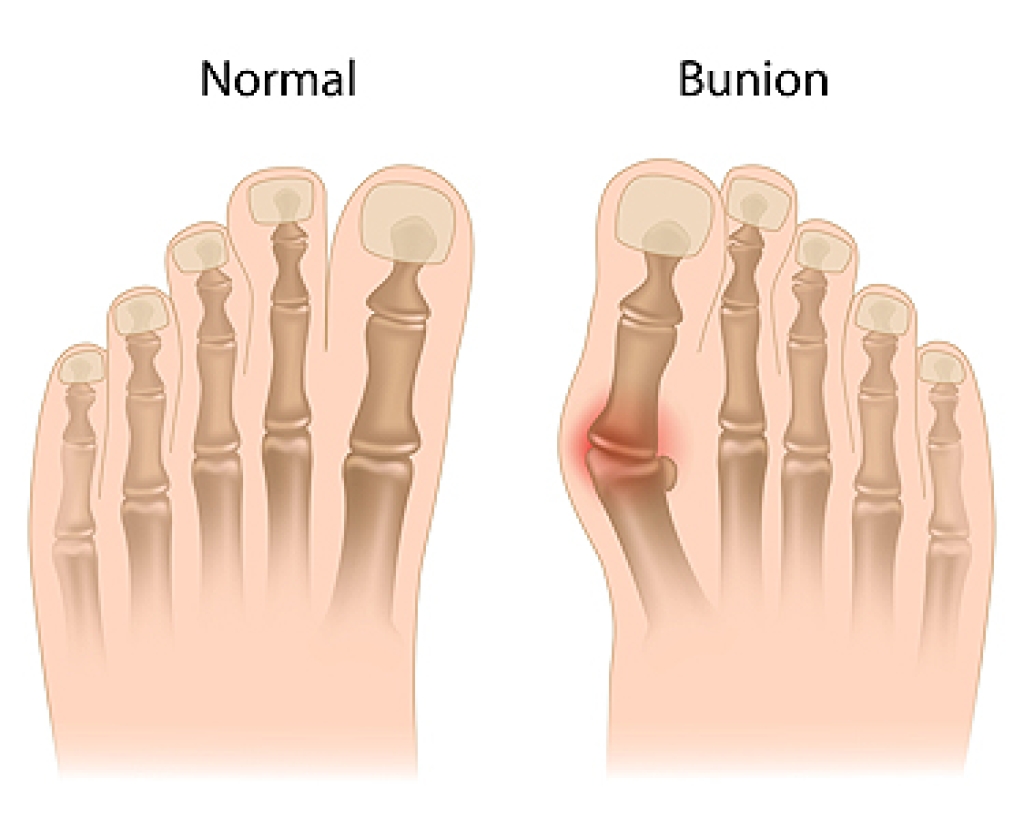
A bunion develops when the joint at the base of the big toe gradually moves out of its normal position. This change creates a noticeable bump along the inside of the foot. The big toe can also begin pointing toward the smaller toes. Foot structure can play an important role in bunion development, and certain inherited foot shapes can increase the risk. Shoes that place pressure on the front of the foot can make symptoms worse. Bunion symptoms can include pain, redness, and swelling around the big-toe joint. The joint can also become stiff and difficult to move. Corns or calluses can develop where the toes rub together or where increased pressure affects the foot.

A podiatrist can evaluate a bunion by examining the position of the big toe and the affected joint. The examination can include checking joint movement, areas of tenderness, and changes in foot structure. A podiatrist can also assess how the patient stands and walks to determine how the bunion affects foot function. X-rays can help show the position of the bones and the severity of the joint changes. Treatment can focus on reducing pressure and improving comfort while walking. Custom orthotics can help improve foot support and distribute pressure more evenly. A podiatrist can also recommend properly fitted shoes with enough space around the toes to reduce pressure on the bunion.

Bunions can affect balance, movement, and the ability to wear certain shoes comfortably. Patients can change how they walk to avoid pressure on the painful big-toe joint. This change can place added stress on other areas of the foot. A podiatrist can identify these changes and develop a treatment plan based on the patient's symptoms and foot structure. Care can focus on reducing painful pressure, supporting the foot, and maintaining comfortable movement. Regular podiatry evaluations can also track changes in the bunion and determine whether treatment should be adjusted. Addressing discomfort can help patients remain active and reduce problems caused by altered foot mechanics. If you have symptoms of bunions, it is suggested that you make an appointment with a podiatrist for diagnosis and treatment.

If you are suffering from bunions, contact Larry Slomowitz, DPM of California. Our doctor can provide the care you need to keep you pain-free and on your feet.

What Is a Bunion?

A bunion is formed of swollen tissue or an enlargement of boney growth, usually located at the base joint of the toe that connects to the foot. The swelling occurs due to the bones in the big toe shifting inward, which impacts the other toes of the foot. This causes the area around the base of the big toe to become inflamed and painful.

Why Do Bunions Form?

Genetics – Susceptibility to bunions are often hereditary

Stress on the feet – Poorly fitted and uncomfortable footwear that places stress on feet, such as heels, can worsen existing bunions

How Are Bunions Diagnosed?

Podiatrists often perform two tests – blood tests and x-rays – when trying to diagnose bunions, especially in the early stages of development. Blood tests help determine if the foot pain is being caused by something else, such as arthritis, while x-rays provide a clear picture of your bone structure to your provider.

How Are Bunions Treated?

  • Refrain from wearing heels or similar shoes that cause discomfort
  • Select wider shoes that can provide more comfort and reduce pain
  • Anti-inflammatory and pain management drugs
  • Orthotics or foot inserts
  • Surgery

If you have any questions, please feel free to contact our office located in Westlake Village, CA . We offer the newest diagnostic and treatment technologies for all your foot care needs.
Read more about What Are Bunions?

Connect With Us

scroll to top